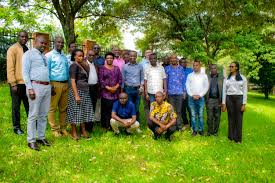
The Rwandan project was built by capitalizing on the pre-existing network of the RUNRES project (led by the University of Zurich). It explores nutrient circularity at pilot farms (notably the Magot farm), for example by transforming cassava waste using black soldier fly larvae into low-cost animal feed and high-value organic soil amendments.Event 1: Participatory data collection and evaluation days (Field Days) with farmers to map maize-bean intercropping yields.Event 2: Technical workshop evaluating the separate management of anthropogenic and agricultural waste streams for the production of safe organic fertilizers.Event 3: Institutional roundtable with Rwandan decision-makers to assess the integration of CANALLS circular economy practices into national agricultural action plans.